

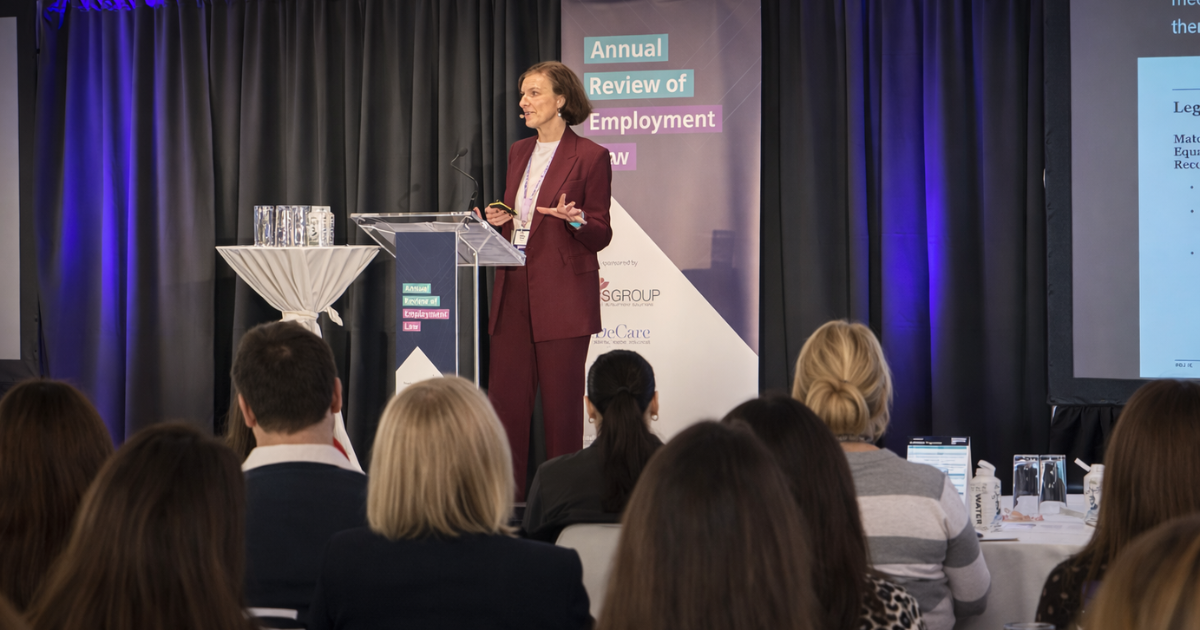
Nathalie is a Foreign Qualified Lawyer, practising as part of RDJ’s Employment team. She has extensive experience representing government and private clients in contentious matters, including with claims for unfair dismissal, discrimination, victimisation, as well as restraints of trade and industrial relations disputes.
She also advises on all aspects of employment law such as termination of employment (including redundancy), transfer of business, bullying and harassment (including sexual harassment), managing ill or injured employees and employee entitlements. Her key sectors of practice are retail, healthcare, transport and construction.
The use of AI by HR teams is widespread, with more than 1 in 4 of employers in Ireland having introduced AI to their recruitment processes. However, whilst some of its core functions are taken over by AI, HR remains a critical function in organisations, including to ensure employees are treated fairly and lawfully. Without a HR function, organisations face potential non-compliance and increased legal risk of discrimination and claims in the Workplace Relations Commission (“WRC”).
In this article, we set out how AI systems are used at four key stages of employment, the key legal risks associated with the use of AI systems at each of these four stages and HR’s role in mitigation the risks.
1. Recruitment
AI
Continue reading
We help hundreds of people like you understand how the latest changes in employment law impact your business.
Please log in to view the full article.
What you'll get:
- Help understand the ramifications of each important case from NI, GB and Europe
- Ensure your organisation's policies and procedures are fully compliant with NI law
- 24/7 access to all the content in the Legal Island Vault for research case law and HR issues
- Receive free preliminary advice on workplace issues from the employment team
Already a subscriber? Log in now or start a free trial
 AI Literacy Skills at Work: Safe, Ethical and Effective Use